Know Your Spine
Your spine, explained in 5 minutes
33 bones, cushioning discs and a nerve highway. A simple guide to how your spine works, and why it needs a little care every day.
 Dr Tarak PatelChief Spine Surgeon
Medical review in progress by Dr Rinku Patel · Anaesthesia and Pain Management Specialist
Published 2 min read
Key takeaways
- Your spine supports your body, lets you move and protects the spinal cord.
- Discs between the bones act as cushions; muscles and ligaments keep the spine stable.
- Regular movement, strength and good daily habits keep your spine healthy.
The structure
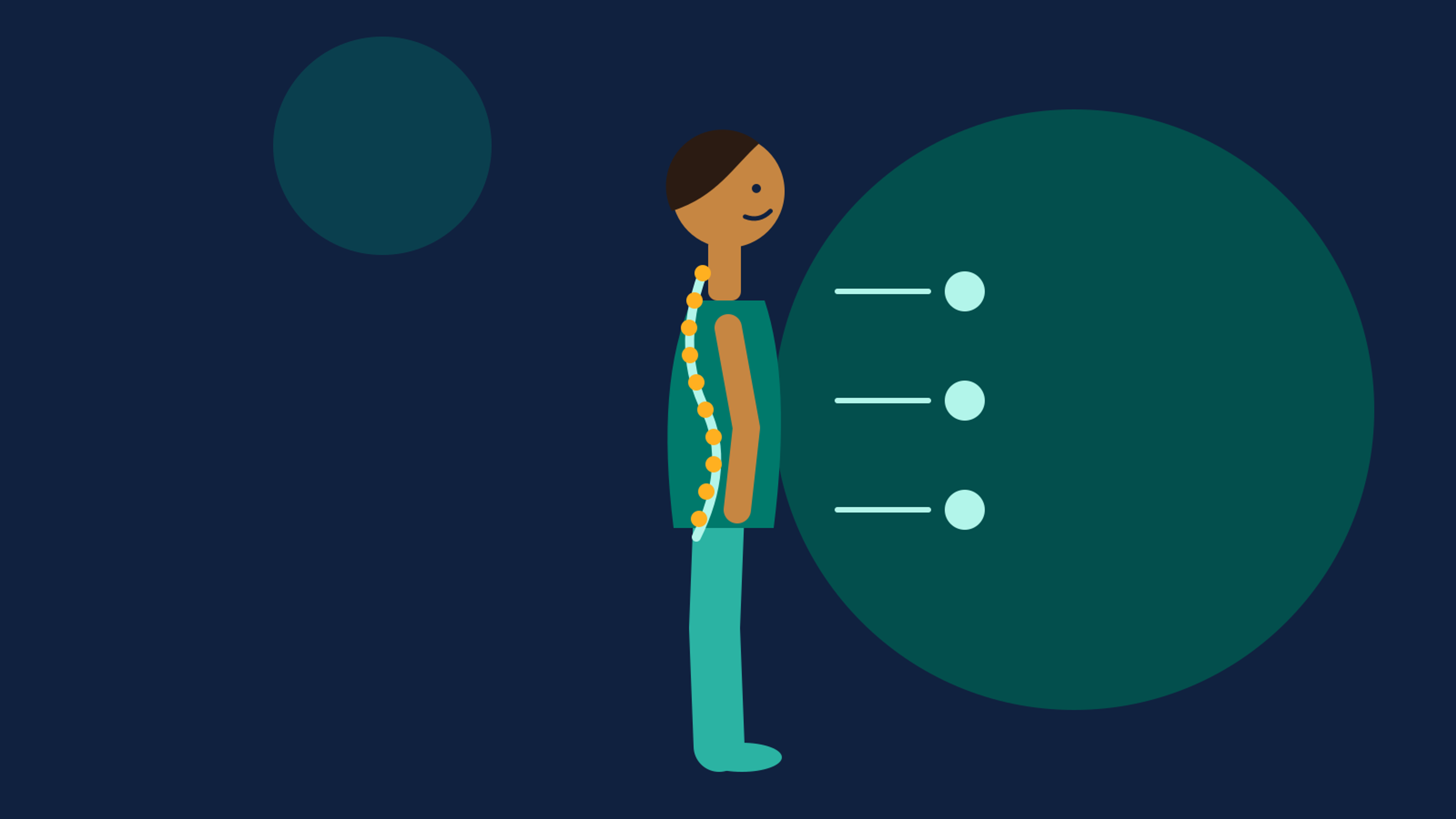
Your spine is a column of small bones called vertebrae — usually 33 at birth, with some fusing together as we grow. It is divided into the neck (cervical), upper back (thoracic), lower back (lumbar), and the sacrum and tailbone at the base. Seen from the side, a healthy spine is not straight: it has gentle curves that act like a spring and help absorb shocks.

Discs: the cushions
Between most vertebrae are intervertebral discs, which have a tough outer ring and a softer centre. They allow movement and help spread load. With age, discs naturally lose some water and height. This is a normal part of ageing and often causes no symptoms at all.
The nerve highway
The spinal cord runs through a protected canal inside the vertebrae and carries messages between your brain and body. Nerves branch out at each level. When a nerve is irritated or pressed, you may feel pain, tingling or numbness along its path, such as down the leg in sciatica.
The support team: muscles and ligaments
Muscles of the back, abdomen and hips work together to hold the spine steady and move it. Strong, flexible muscles share the load; weak or tired ones leave more stress on joints and discs.
How to look after it every day
Move often, build strength with simple exercises, lift with your legs and keep loads close to your body, sleep well, stay at a healthy weight and avoid smoking. Small habits, repeated daily, make the biggest difference.
Spend a lot of time on your phone? Read Is your phone bending your neck?
Try this today
Stand up and do 10 slow shoulder rolls and a 2-minute walk every hour you sit.

See a doctor if
- Back or neck pain with numbness, weakness, or loss of bladder or bowel control
Frequently asked questions
Is a "slipped disc" really slipped?
No. Discs do not slip out of place; the softer centre can bulge or push through the outer ring, which doctors call a disc herniation. Many improve without surgery.
Does cracking my back damage the spine?
The sound comes from gas bubbles in the joints and is not harmful in itself. If it is painful, see a doctor.
References
- Low back pain — fact sheet. World Health Organization, 2023
About the author

Dr Tarak Patel
Chief Spine Surgeon · Indospine Hospital
Chief Spine Surgeon at Indospine Hospital, Ahmedabad. Believes the right diagnosis comes first, so that patients are treated, not just operated on.
View profile: Dr Tarak Patel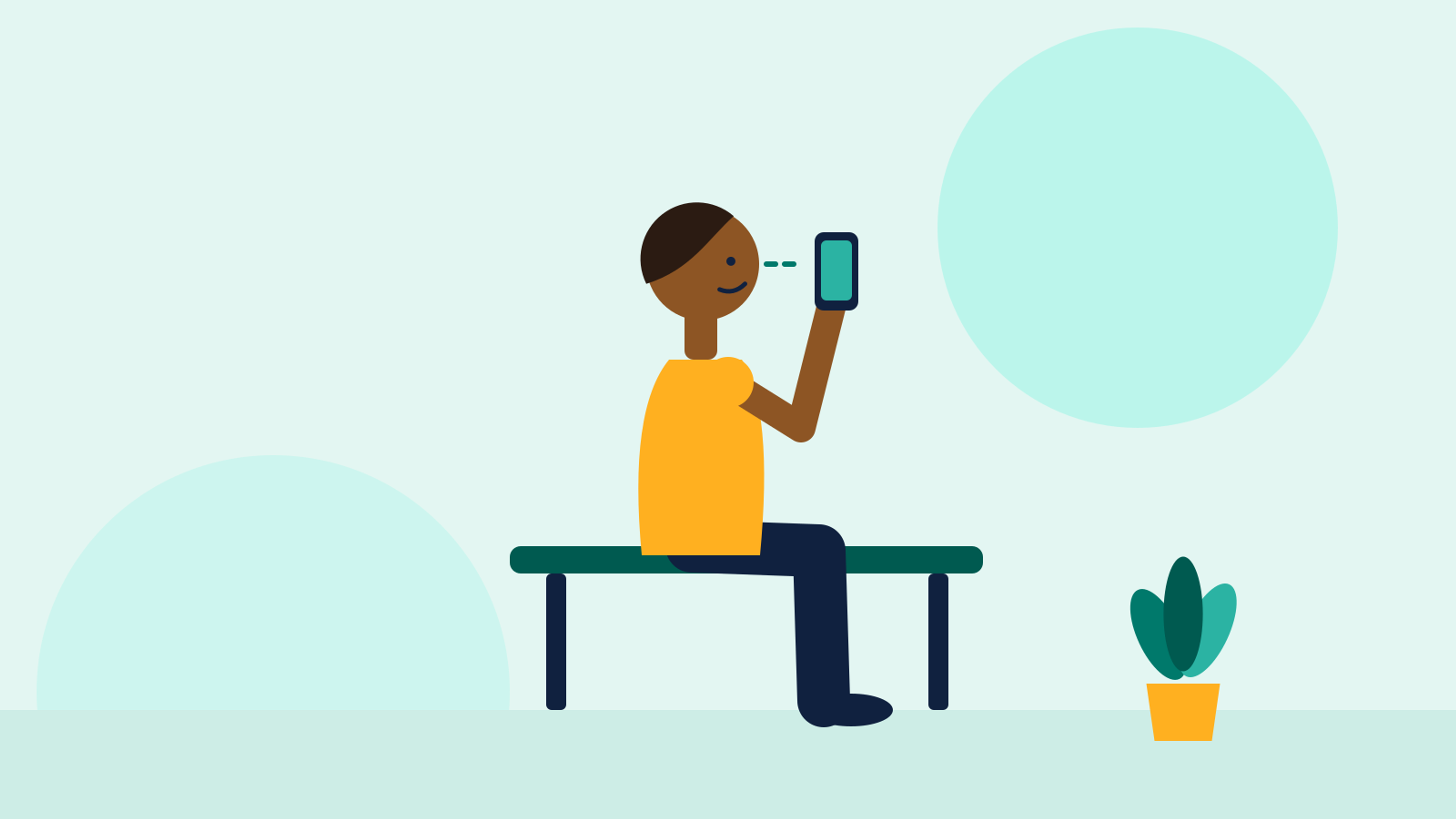
 Ms Priya Shah (Sample)
 Dr Rinku Patel