Myths vs Facts
"Back pain means complete bed rest." Is that true?
For most common back pain, staying gently active helps you recover faster than lying in bed. Here is what doctors actually advise.
 Dr Rinku PatelAnaesthesia and Pain Management Specialist
Medically reviewed by Dr Tarak Patel · Chief Spine Surgeon
Published Last reviewed 2 min read
Key takeaways
- For most common back pain, long bed rest slows recovery; gentle activity helps.
- Most back pain is not caused by a serious disease and improves with time and the right care.
- Certain warning signs mean you should see a doctor straight away.
The myth
When the back hurts, many of us are told to lie flat for days until it settles. It sounds sensible: rest the injured part. For most everyday back pain, though, this advice is out of date.
What the evidence says
About 90% of low back pain is "non-specific", which means there is no particular disease or structural problem causing it, according to the World Health Organization. Clinical guidelines around the world recommend staying as active as you comfortably can and returning to normal activities gradually. Long periods of bed rest can make muscles weaker and stiffer, which can prolong the pain.
What "staying active" actually means
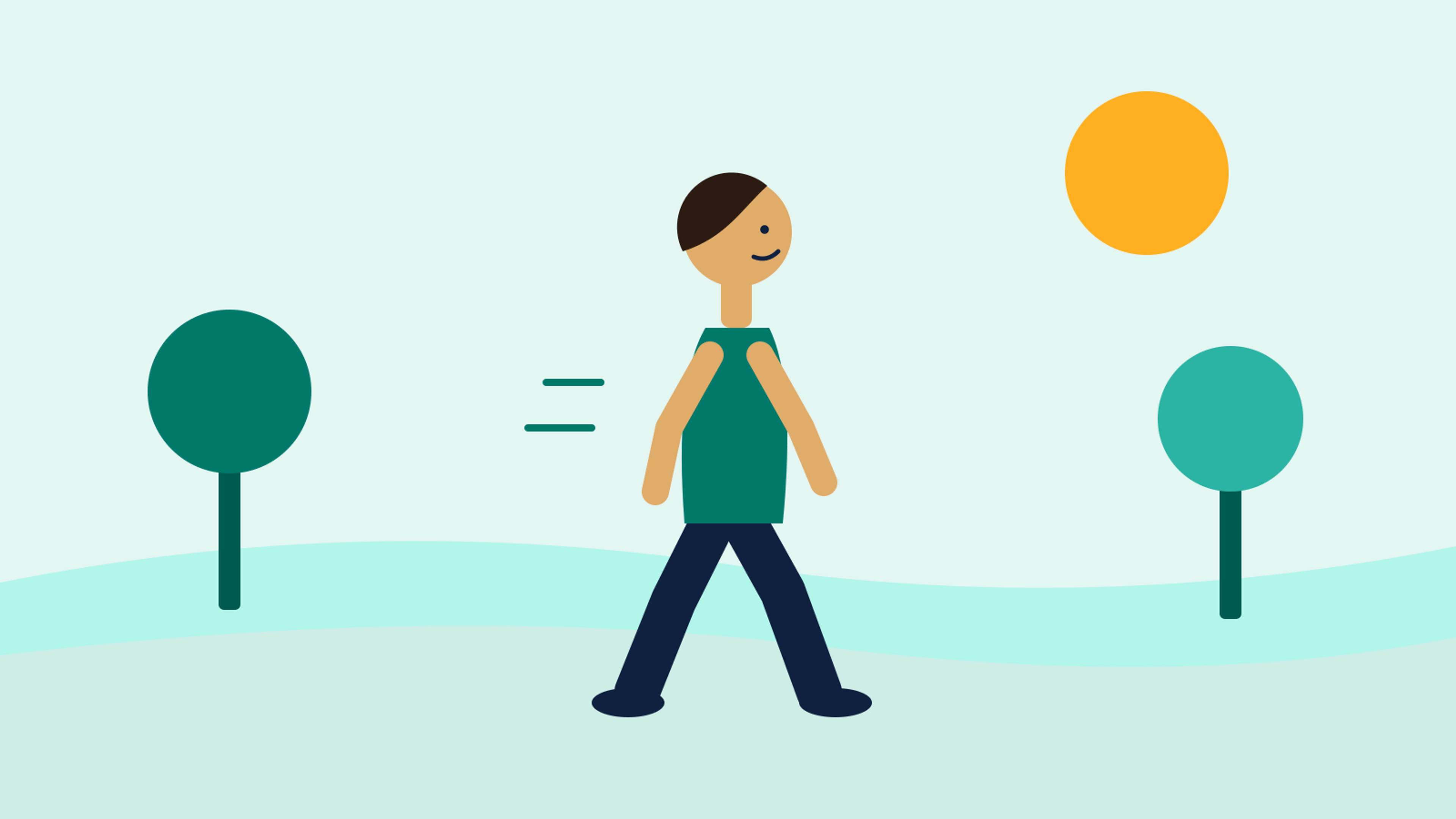
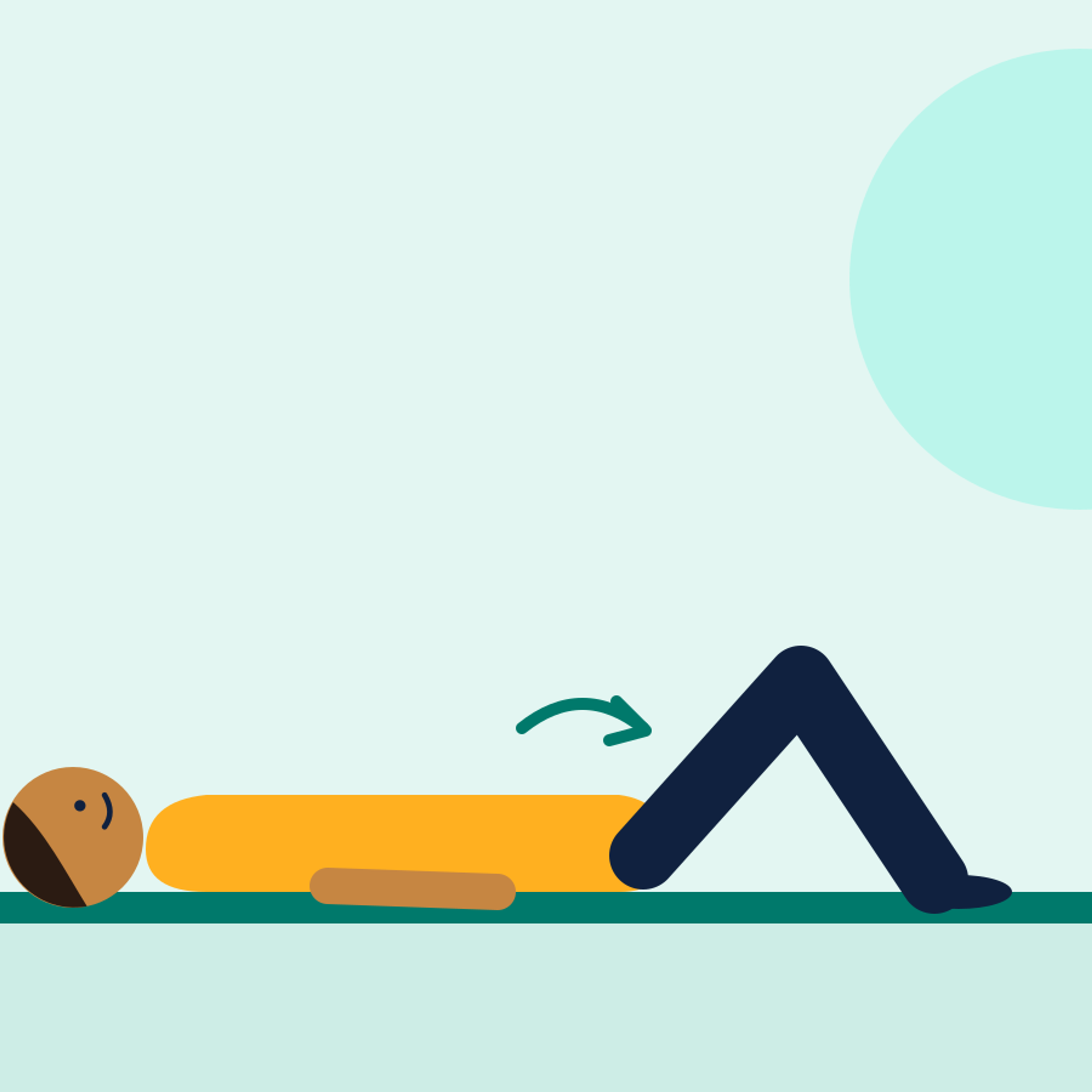
It does not mean pushing through severe pain or going to the gym on day one. It means short walks around the house, changing position often, avoiding sitting for long stretches, and doing the daily tasks you can manage. Heat packs and pain relief advised by your doctor can make moving easier. As the pain eases, add gentle exercises such as pelvic tilts and walking.
When rest is right
A short rest of a day or two can help in the first, most painful phase. Rest is also important after certain injuries and surgeries — follow your doctor’s specific advice in those cases.
The numbers in India
Back pain is very common. A meta-analysis of 97 Indian studies published in the journal WORK in 2022 found that about one in two Indians has low back pain at any given time. Knowing what really helps can save many people weeks of discomfort.
1 in 2
Want to understand what is going on inside your back? Read Your spine, explained in 5 minutes.
Try this today
If your back is sore but you have no warning signs, take a 5–10 minute easy walk at home or outside, three times today.
See a doctor if
- Numbness around your buttocks or genitals
- Loss of bladder or bowel control
- Weakness in one or both legs
- Fever with back pain
- Pain after a fall or accident
- Unexplained weight loss or a history of cancer
- Severe pain that does not improve with rest or wakes you at night
Frequently asked questions
Should I stop going to work with back pain?
Many people can continue working with some changes, such as shorter sitting periods. Ask your doctor about what is right for you.
When will my back pain get better?
Most episodes of common back pain improve within a few weeks. If it lasts longer than 6 weeks or keeps coming back, see a specialist.
References
- Low back pain — fact sheet. World Health Organization, 2023
- WHO releases guidelines on chronic low back pain. World Health Organization, 2023
- Prevalence of low back pain in India: A systematic review and meta-analysis. WORK, 2022. DOI: 10.3233/WOR-205300
About the author

Dr Rinku Patel
Anaesthesia and Pain Management Specialist · Indospine Hospital
Anaesthesia and Pain Management Specialist at Indospine Hospital, Ahmedabad, helping patients manage spine pain safely and get back to daily life.
View profile: Dr Rinku Patel
 Ms Priya Shah (Sample)

 Dr Tarak Patel