Posture & Work
Is your phone bending your neck?
Hours of looking down at a phone can strain your neck. Here is a 2-minute check you can do right now, and three small fixes.
 Ms Priya Shah (Sample), BPT (Sample), MPT – Musculoskeletal (Sample)Senior Physiotherapist
Medical review in progress by Dr Tarak Patel · Chief Spine Surgeon
Published 2 min read
Key takeaways
- Looking down at a screen for long periods puts extra load on the muscles and joints of your neck.
- Raising the screen to eye level and taking short breaks are the simplest fixes.
- Neck pain with numbness, weakness or pain spreading into the arm needs a doctor’s check.
Why your neck feels it first
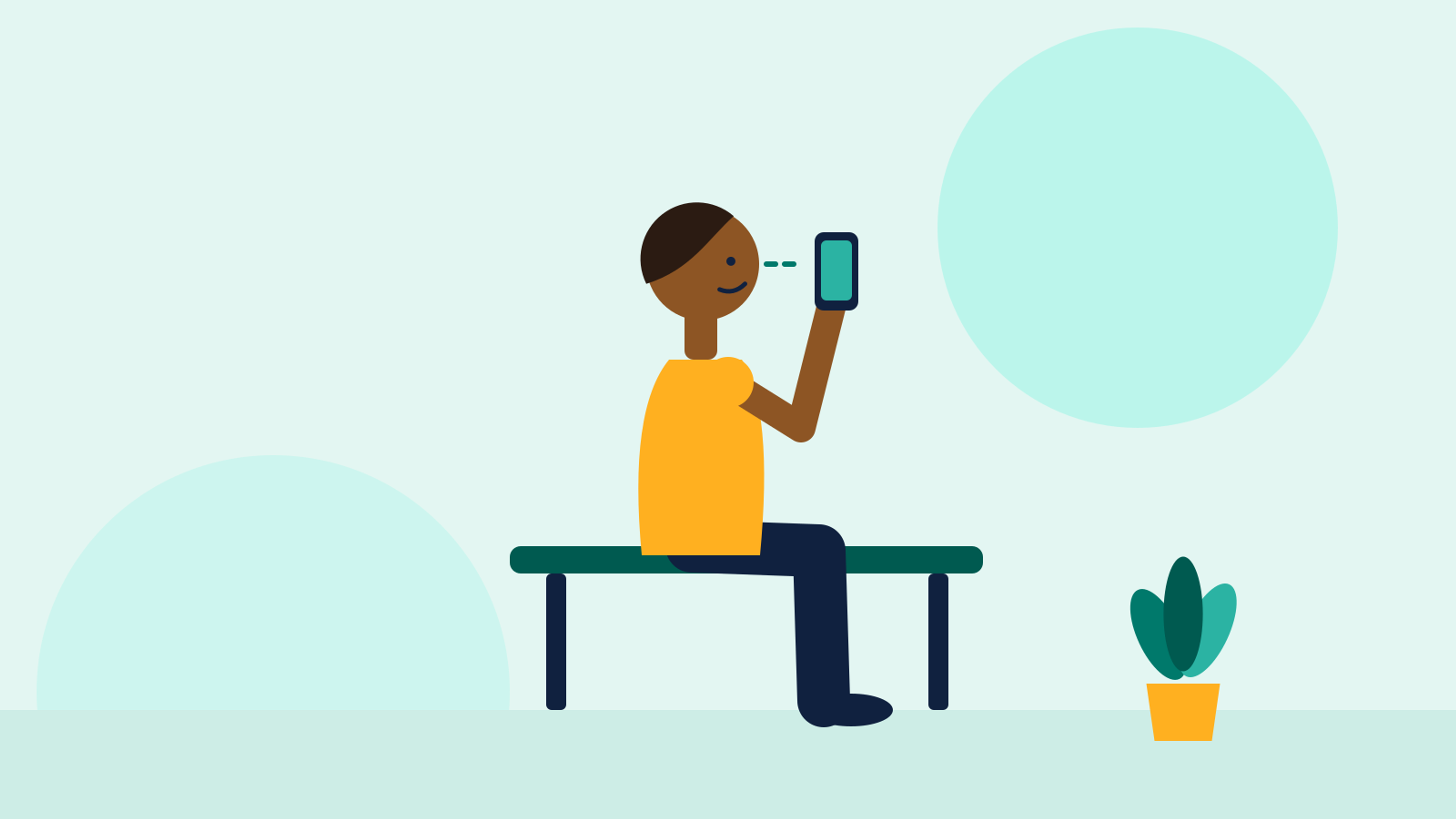
Your head is heavy, and your neck muscles hold it up all day. When you bend your head forward to look at a phone or laptop, those muscles have to work much harder to stop your head from dropping further. Do this for hours every day and the muscles tire, tighten and start to ache. Many people notice it as stiffness at the back of the neck, between the shoulder blades, or as headaches by evening.
The 2-minute check
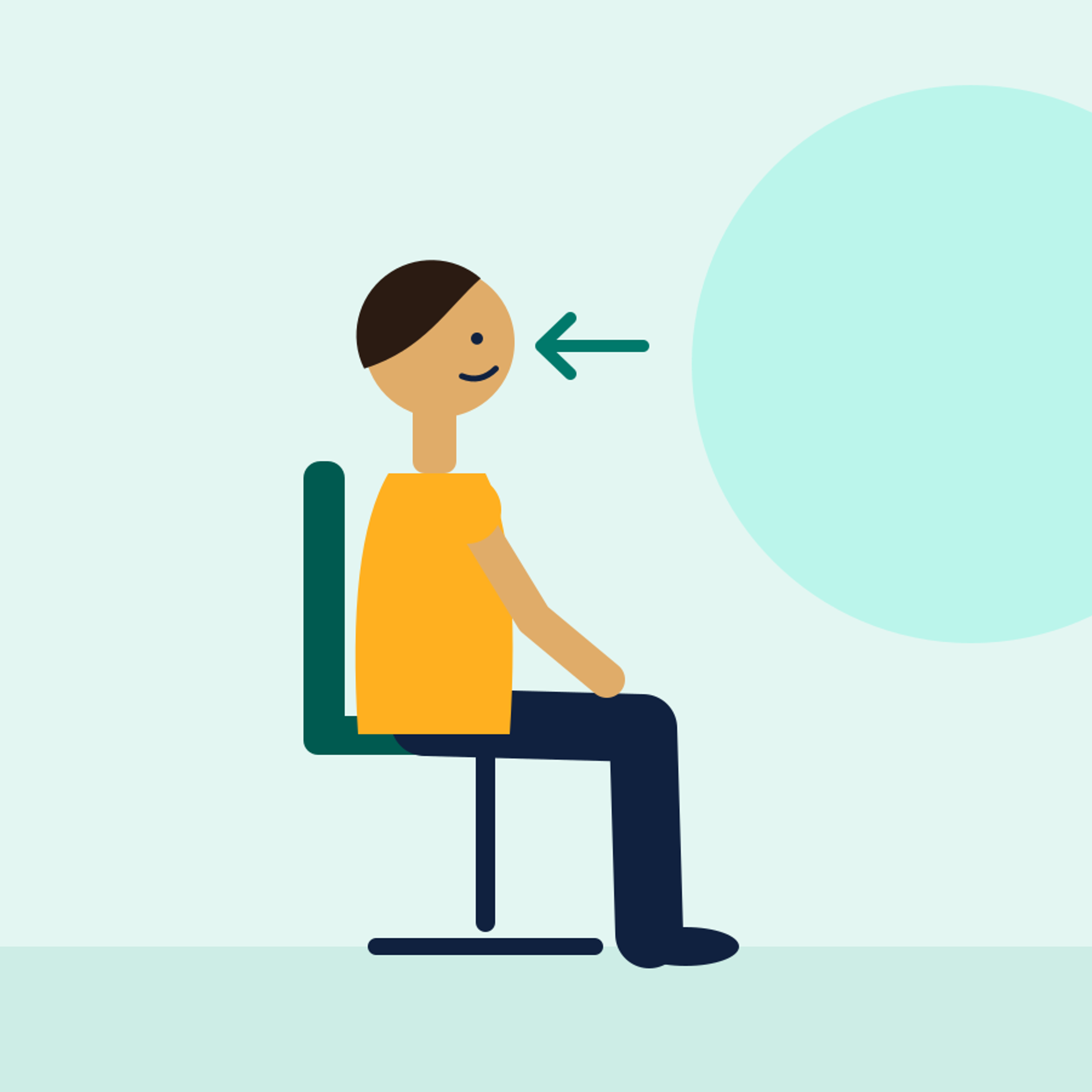
Stand with your back against a wall, heels a few inches away. Let your shoulders and the back of your head rest on the wall without tilting your chin up. If your head does not touch the wall easily, or you have to push it back with effort, your head has probably been spending a lot of time in a forward position. Now take out your phone and use it normally for 30 seconds. Notice where your eyes go and how far your chin drops.
Three small fixes that work
Bring the screen up, not your head down. Hold your phone closer to eye level, and raise your laptop on a stand or a pile of books with a separate keyboard.

Move every 30 minutes. Set a reminder to stand, roll your shoulders and look away from the screen for a minute.
Try the chin tuck. Gently draw your chin straight back, as if making a double chin, hold for five seconds and relax. Repeat ten times, two or three times a day. See the chin tuck exercise.
What about pillows and posture correctors?
There is no single "perfect" posture. Your neck likes variety and movement more than any one position. A posture brace may remind you to sit up, but it does not replace movement and strengthening. If you want help choosing a pillow or setting up your desk, a physiotherapist can assess you.
Not sure how your daily habits add up? Take the 2-minute self-check.
Try this today
Set a 30-minute reminder on your phone. Each time it rings, do five chin tucks and look at something far away for 20 seconds.
See a doctor if
- Pain spreads into your arm or hand
- You feel numbness, tingling or weakness in your arms
- The pain started after a fall or accident
- You also have fever, unexplained weight loss or severe pain at night
Frequently asked questions
Can using a phone permanently damage my neck?
Long hours of looking down commonly cause muscle strain and stiffness, which usually improve with movement and better habits. If pain persists for more than a few weeks, see a doctor or physiotherapist.
Is it better to use my phone lying down?
Lying on your back with the phone held above your face can reduce neck bending, but holding your arms up for long tires the shoulders. Short sessions and changing position are best.
References
- Low back pain — fact sheet. World Health Organization, 2023
About the author

Ms Priya Shah (Sample), BPT (Sample), MPT – Musculoskeletal (Sample)
Senior Physiotherapist
Sample profile. Replace with a real physiotherapist contributor before launch. Shown only so editors can see how an author profile, byline and author box look.
View profile: Ms Priya Shah (Sample)
 Dr Rinku Patel

 Dr Tarak Patel